Loading...
Stews And Chowders Recipes
Showing 1-10 of 10 delicious stews and chowders recipes
Stews And Chowders
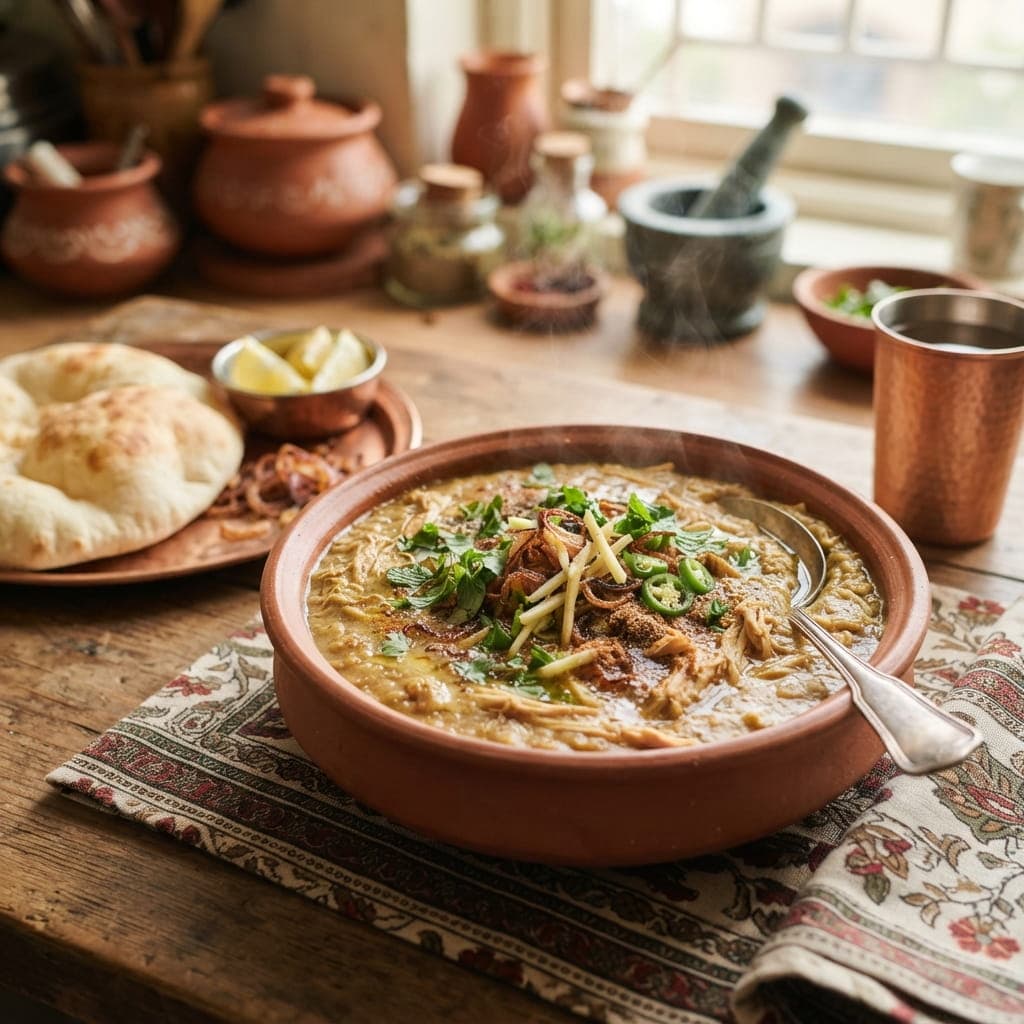
Authentic Pakistani Chicken Haleem Stew
This follows the defining haleem technique of cooking wheat, barley, and lentils until they completely break down and blend with the shredded chicken, which is what builds the thick, almost porridge like texture that separates haleem from an ordinary chicken curry. A final tempering of ghee sizzled with cumin poured over the top just before serving is the traditional finishing touch that ties the whole dish together.
170m6
Stews And Chowders
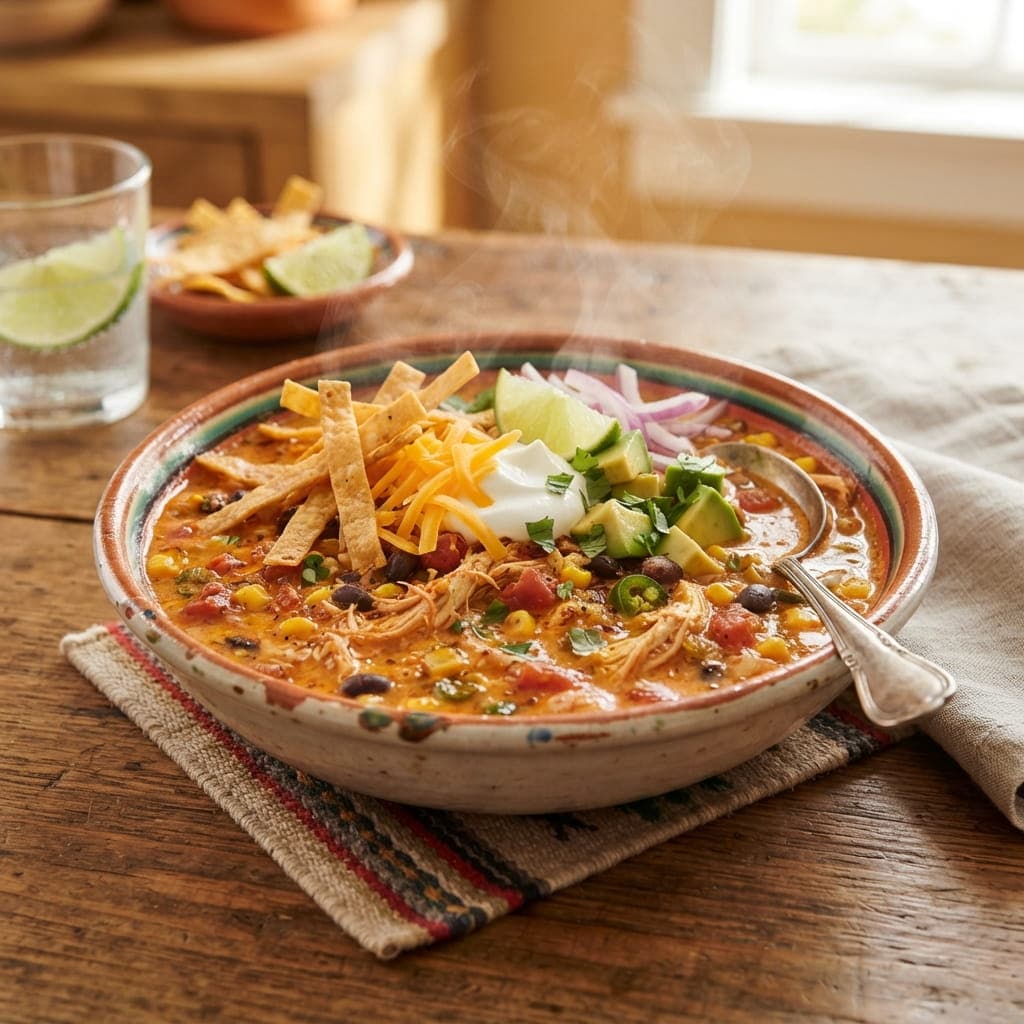
Spicy Mexican Chicken Tortilla Chowder
This blends a portion of corn and beans right into the broth, a technique that thickens the chowder naturally without needing much flour, while still leaving plenty of whole kernels and beans for texture. Charring the poblano pepper directly over a flame before adding it is what gives the chowder its deep, slightly smoky heat instead of a flat, one note spice.
50m5
Stews And Chowders
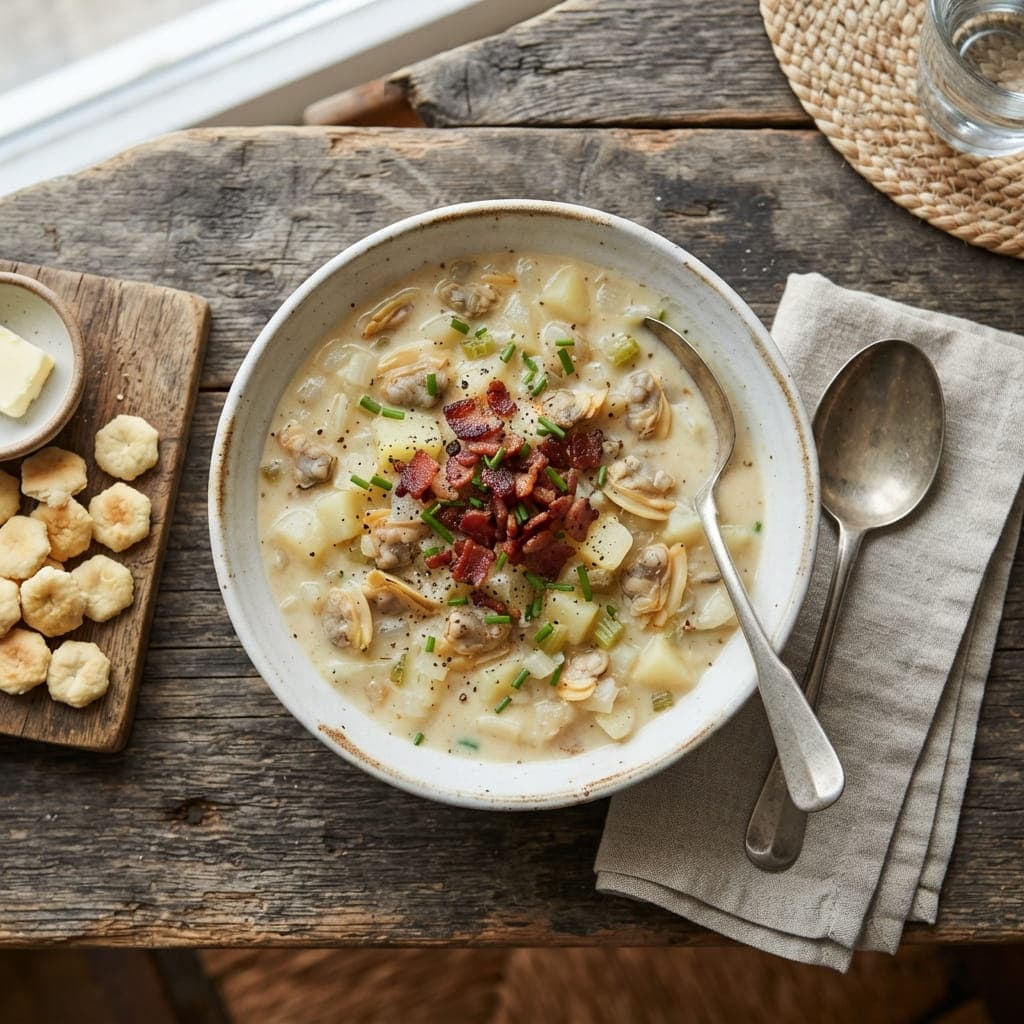
Ultimate New England Creamy Clam Chowder
This keeps the classic New England technique of rendering salt pork or bacon first and cooking the vegetables in that rendered fat, which is what builds the deep, savory base this chowder is known for rather than just tasting like a bland cream soup. Reserving the clam juice from cooking and simmering the potatoes directly in it lets every bite carry real briny flavor.
45m6
Stews And Chowders
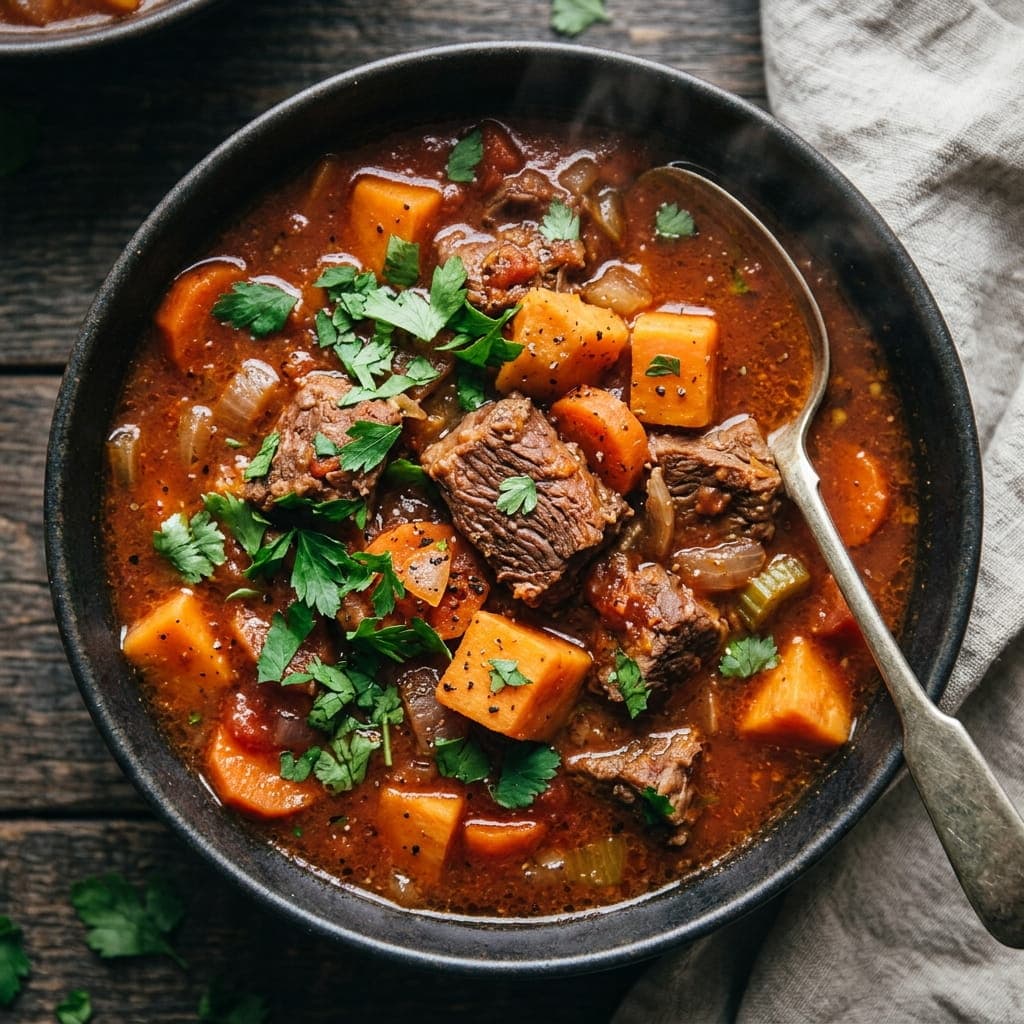
Whole30 Smokey Beef Sweet Potato Stew
This browns the beef well before anything else goes into the pot, which is what builds the deep, savory base this stew relies on since there's no flour or wine allowed to thicken or deepen the broth. Smoked paprika stirred in with the other spices is what gives this Whole30 friendly stew its rich, smoky character instead of tasting plain.
150m5
Stews And Chowders
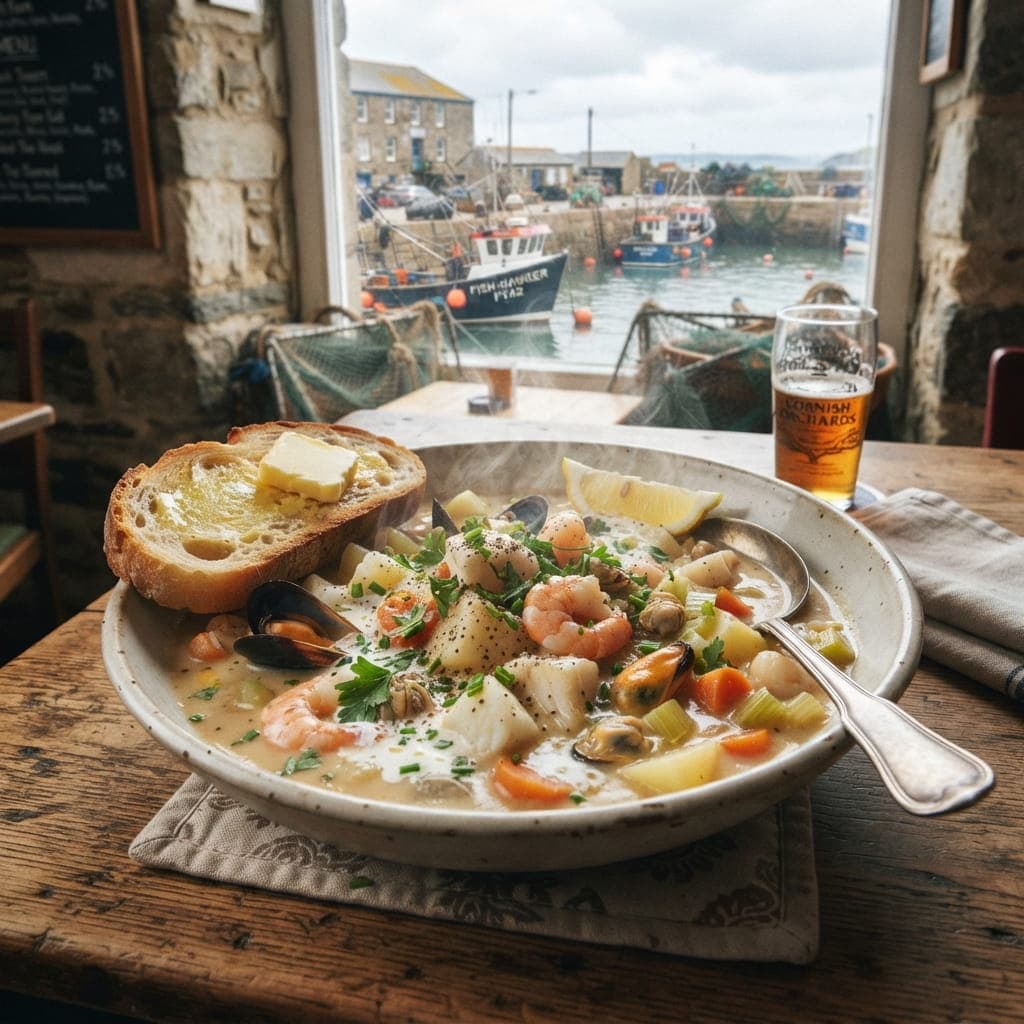
British Fisherman's Mixed Seafood Chowder
This poaches the white fish gently in the simmering broth rather than searing it, since delicate fish falls apart easily and only needs a few minutes of gentle heat to cook through. Adding the different seafood in stages, starting with what takes longest to cook, is what keeps every piece perfectly tender instead of some pieces turning rubbery while others are undercooked.
45m5
Stews And Chowders
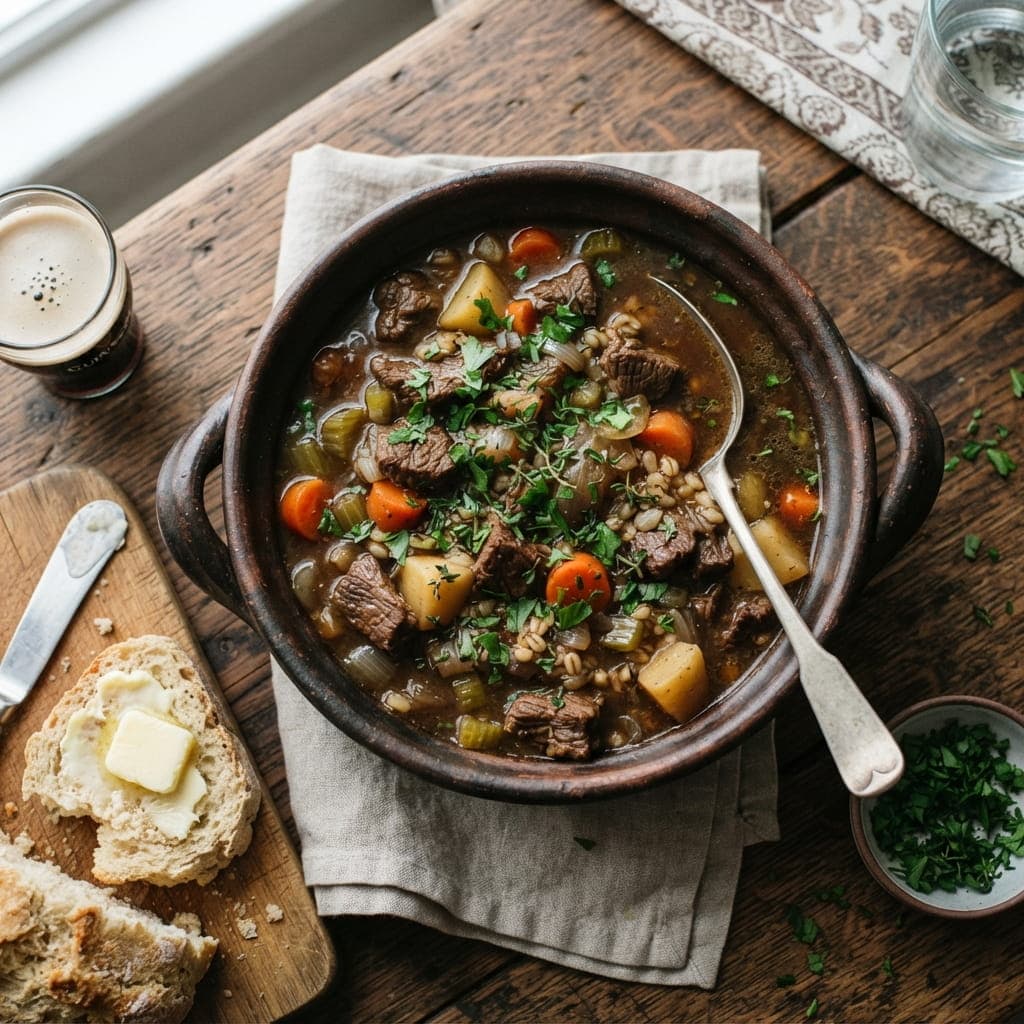
Traditional Irish Beef Stew with Stout
This browns the beef in batches rather than all at once, since crowding the pot causes the meat to steam instead of sear, missing out on the caramelized crust that gives the stew its deep, savory backbone. A bottle of Irish stout simmered in for hours is what gives this stew its dark color and slightly bitter, malty depth that beef broth alone can't replicate.
170m6
Stews And Chowders
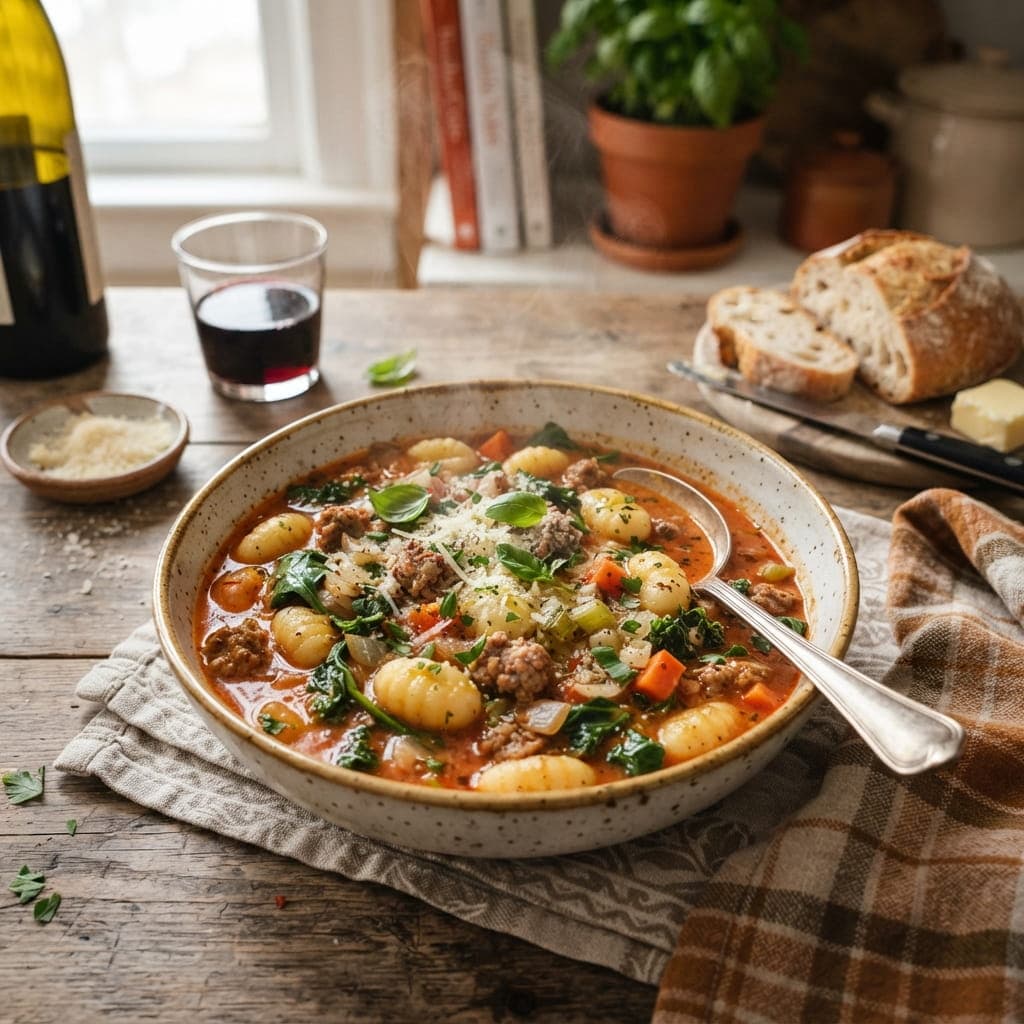
Hearty Italian Sausage Gnocchi Thick Soup
This browns the sausage in crumbles directly in the pot before anything else, letting the rendered fat and caramelized bits build the flavor base that the rest of the soup simmers in. Adding the gnocchi straight into the simmering broth, rather than boiling it separately, is what lets the little dumplings soak up flavor as they cook and gives the soup its comforting, hearty body.
35m5
Stews And Chowders
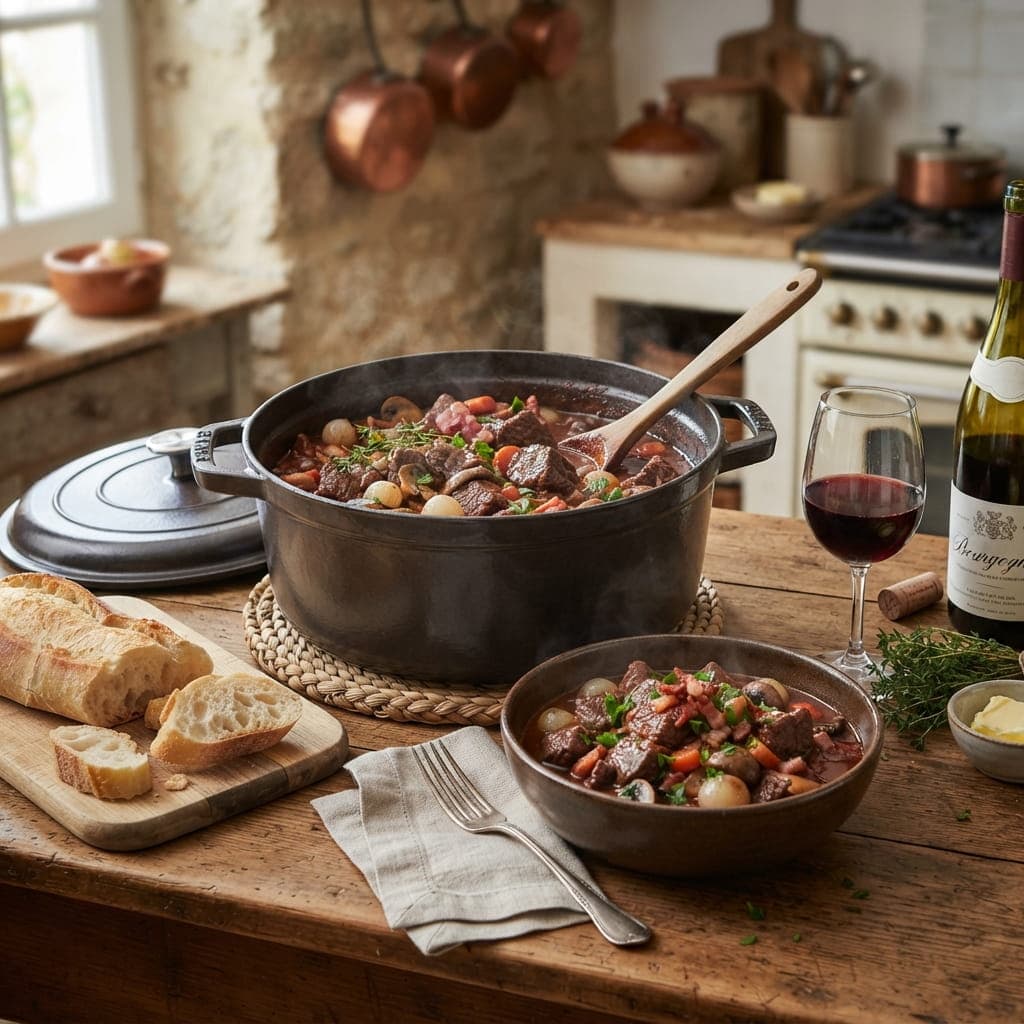
French Classic Beef Bourguignon Thick Stew
This follows Julia Child's approach of browning the beef in small batches and separately sautéing the pearl onions and mushrooms, rather than dumping everything into the pot together, since each component develops its own layer of flavor before joining the stew. A full bottle of red Burgundy wine reduced slowly with the beef is what gives this dish its rich, wine soaked depth.
230m6
Stews And Chowders
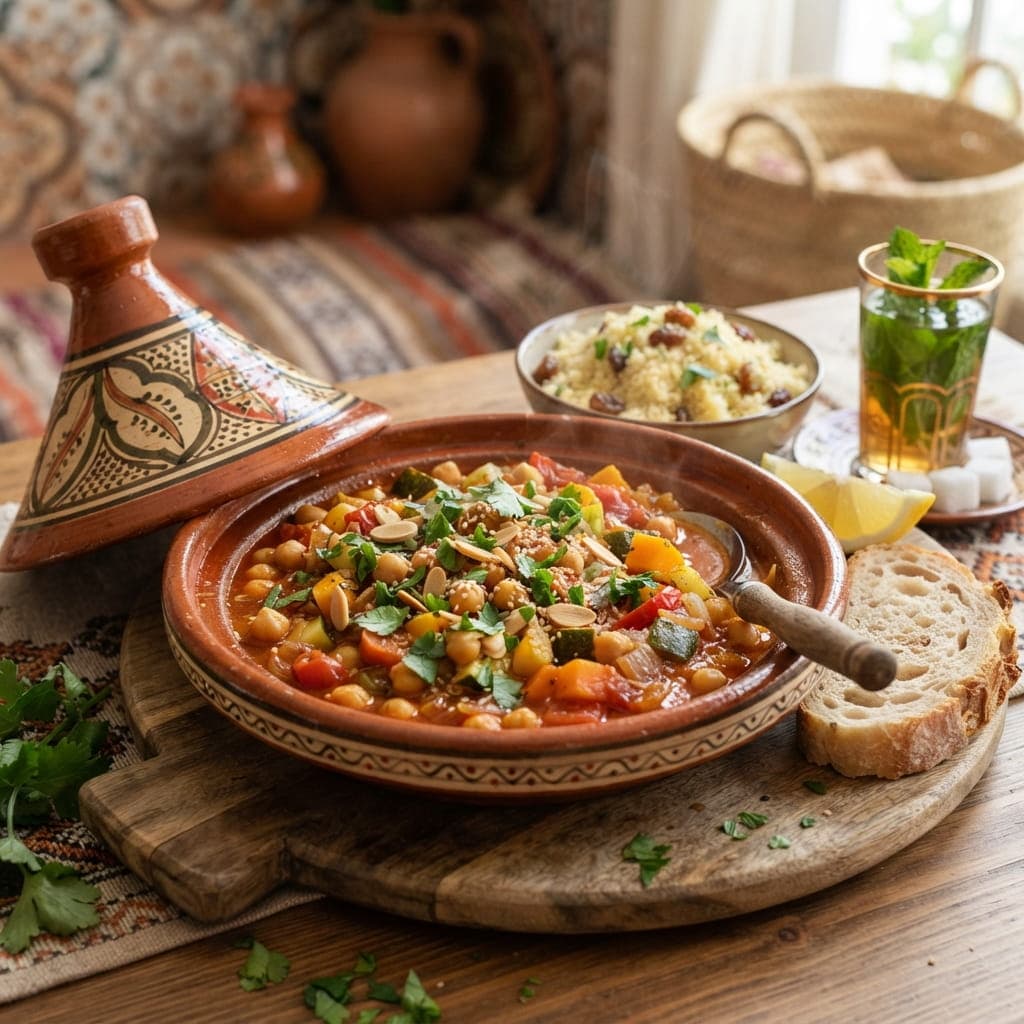
Fiber-Rich Moroccan Chickpea Vegetable Stew
This blooms the warm Moroccan spice blend of cumin, cinnamon, and ginger in oil before the vegetables go in, the step that unlocks their full aroma rather than leaving them tasting dusty and flat. A handful of dried apricots simmered right into the stew adds a subtle sweetness that balances the warmth of the spices, the same way many Moroccan tagines pair fruit with savory vegetables.
55m5
Stews And Chowders
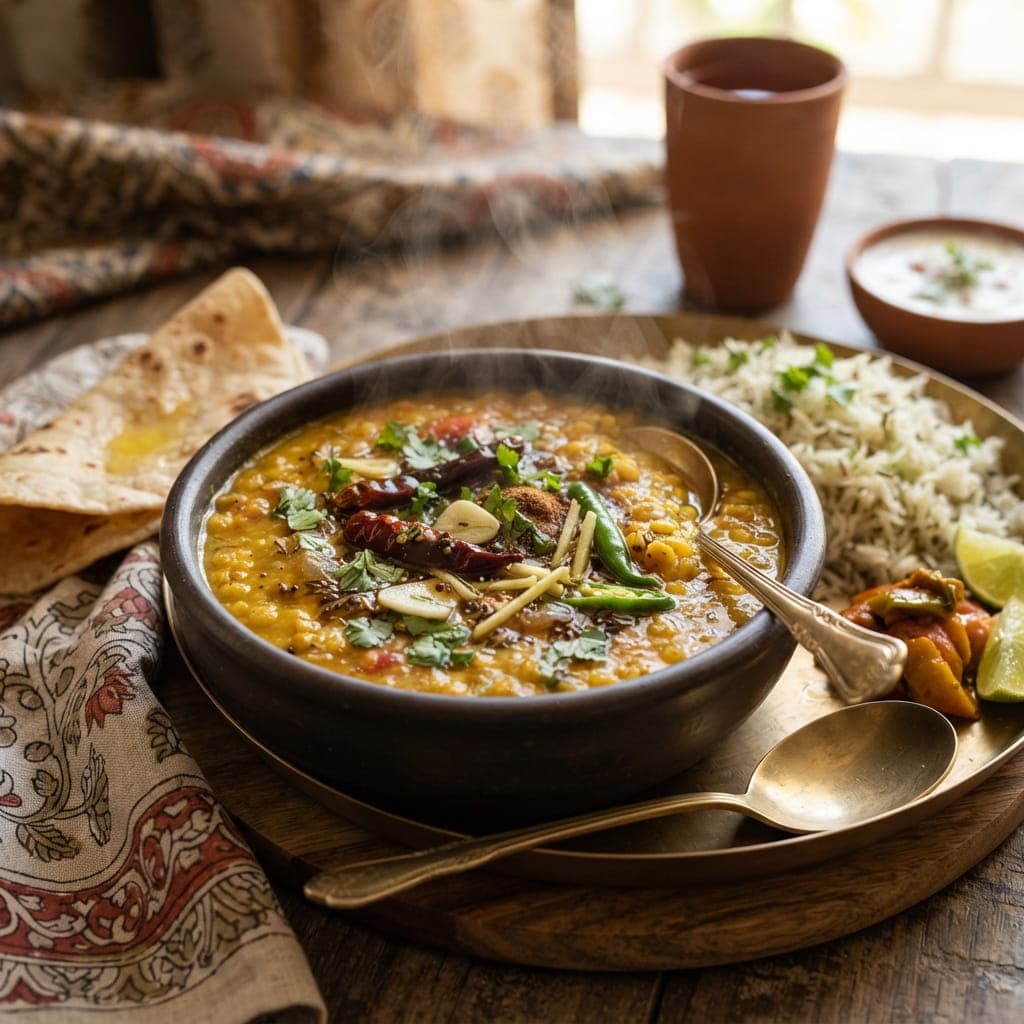
Indian Hearty Spiced Lentil Stew (Dal Tadka)
This relies on the defining tadka technique, sizzling cumin seeds, garlic, and dried red chilies in hot ghee and pouring the whole spiced oil directly over the cooked lentils, which is what gives dal tadka its signature smoky aroma that simply stirring spices into the pot can't replicate. Simmering the lentils until they break down completely is what turns plain split peas into a thick, hearty stew.
40m4