Loading...
Loading...
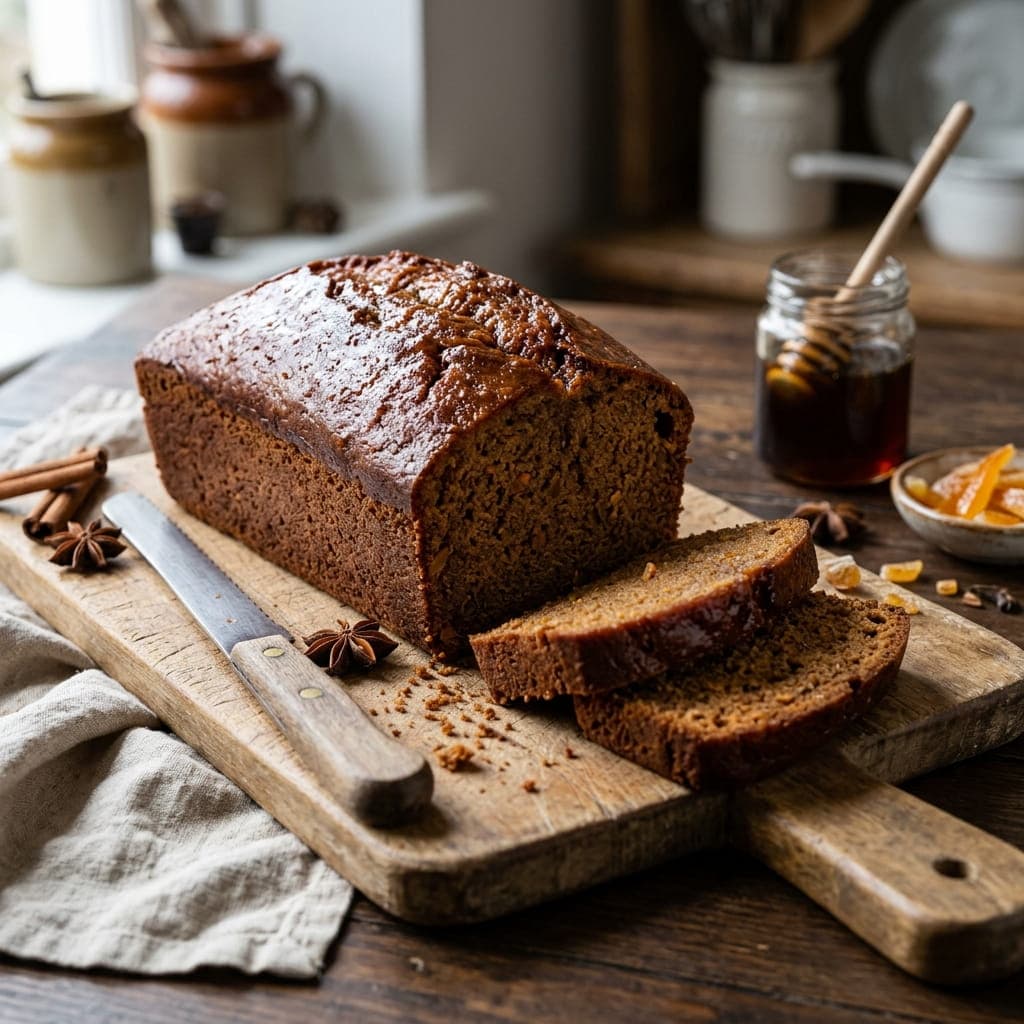
This uses a portion of rye flour alongside all purpose flour, staying true to the traditional French recipe that originated in Reims, since rye is what gives pain d'épices its characteristic dense, rustic crumb and earthy undertone that plain wheat flour alone can't replicate. Warming the honey gently before mixing it into the batter helps it blend smoothly into the other ingredients instead of leaving thick, unincorporated streaks.
Per serving
220kcal
Calories
4g
Protein
42
Prep Time
15 min
Cook Time
50 min
Servings
10 people
Difficulty
medium
Carbs
4g
Fat
2g
Fiber
24g
Sugar
Follow step-by-step with voice guidance.
Preheat the oven to 180°C (350°F) and grease a loaf pan.
In a small saucepan, warm the honey, milk, and butter together over low heat, stirring until the butter melts and everything is combined, then let cool slightly.
In a large bowl, sift together the all purpose flour, rye flour, baking soda, cinnamon, ginger, cloves, and nutmeg.
Make a well in the center and pour in the warm honey mixture along with the beaten egg.
Whisk gently until just combined, being careful not to overmix, since the batter will be quite thin.
Pour the batter into the prepared loaf pan.
Bake for 45 to 50 minutes, until a toothpick inserted into the center comes out mostly clean.
Cool in the pan for 15 minutes, then transfer to a wire rack to cool completely.
Wrap and let rest for a day before slicing for the best flavor.
Use Rye Flour for Authenticity: This is what gives pain d'épices its traditional dense, rustic texture and earthy flavor, distinguishing it from a standard honey cake. Warm the Honey Before Mixing: This helps it blend smoothly into the batter rather than leaving thick, unincorporated pockets throughout the loaf. Let the Loaf Rest Before Slicing: Like many honey based cakes, this one actually improves in flavor and moisture after resting for a day, so patience pays off here.
It's a traditional French honey and spice bread with roots tracing back to medieval France, especially associated with the cities of Reims and Dijon, where it became particularly famous.
0 reviews • 0.0 / 5 Average Rating
No reviews yet. Be the first to review this recipe!
More Like This
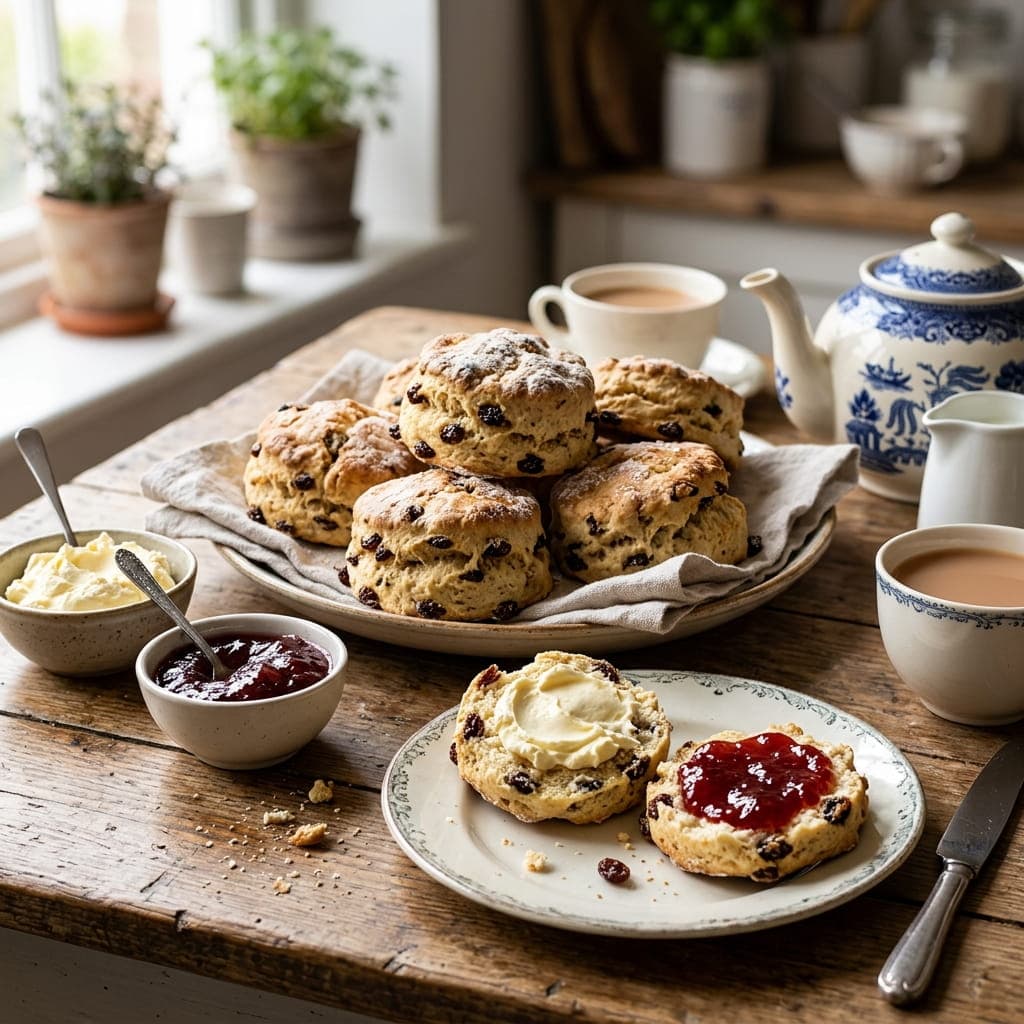
This cuts very cold, cubed butter into the flour until only pea sized pieces remain, the same technique used for flaky pastry, since those small pockets of solid fat are what melt and create steam during baking, giving scones their characteristic light, layered crumb. Handling the dough as little as possible once the liquid is added is what keeps them tender instead of turning out tough and bread like.
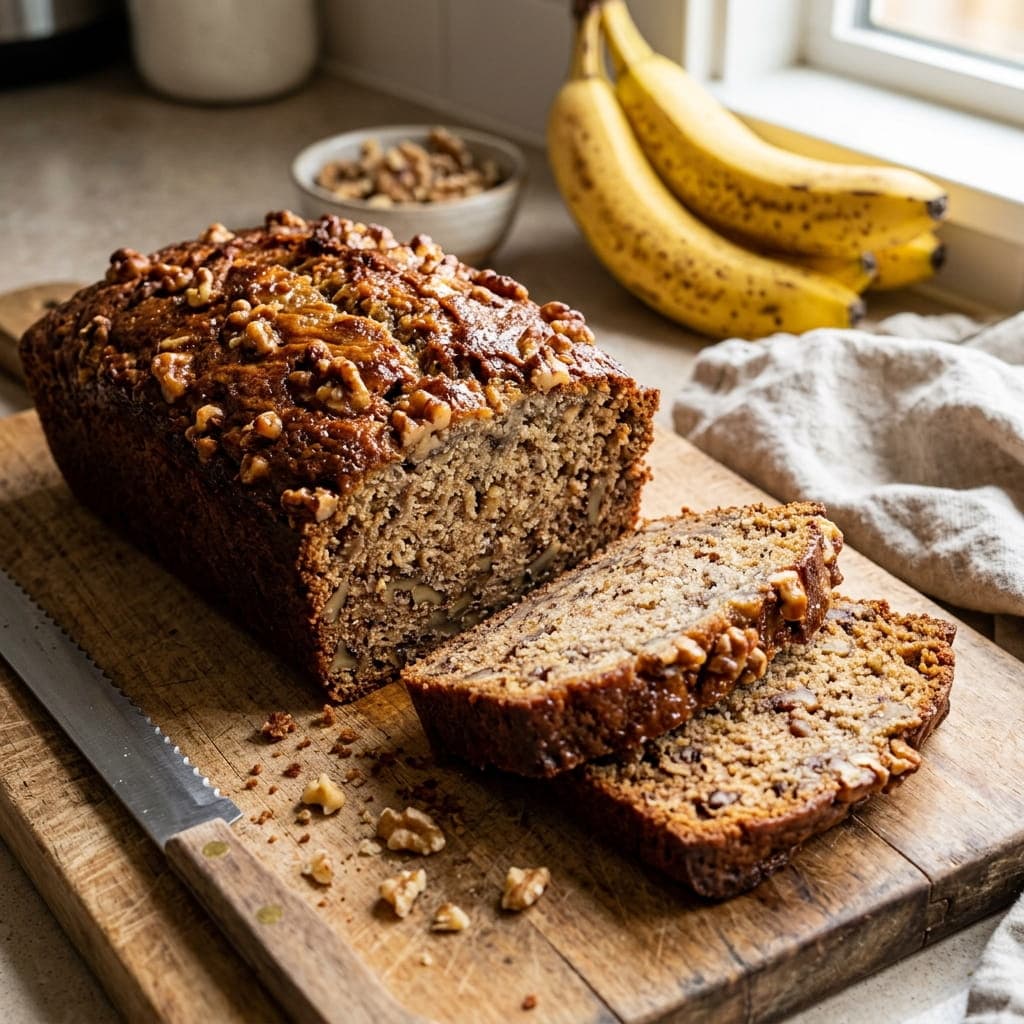
This uses bananas that are heavily speckled with brown spots, well past the point most people would eat them fresh, since that extra ripeness is what concentrates their natural sugars and gives this bread its deep banana flavor. Stirring the batter only until the dry ingredients disappear, rather than beating it smooth, is what keeps this quick bread tender instead of tough and rubbery.
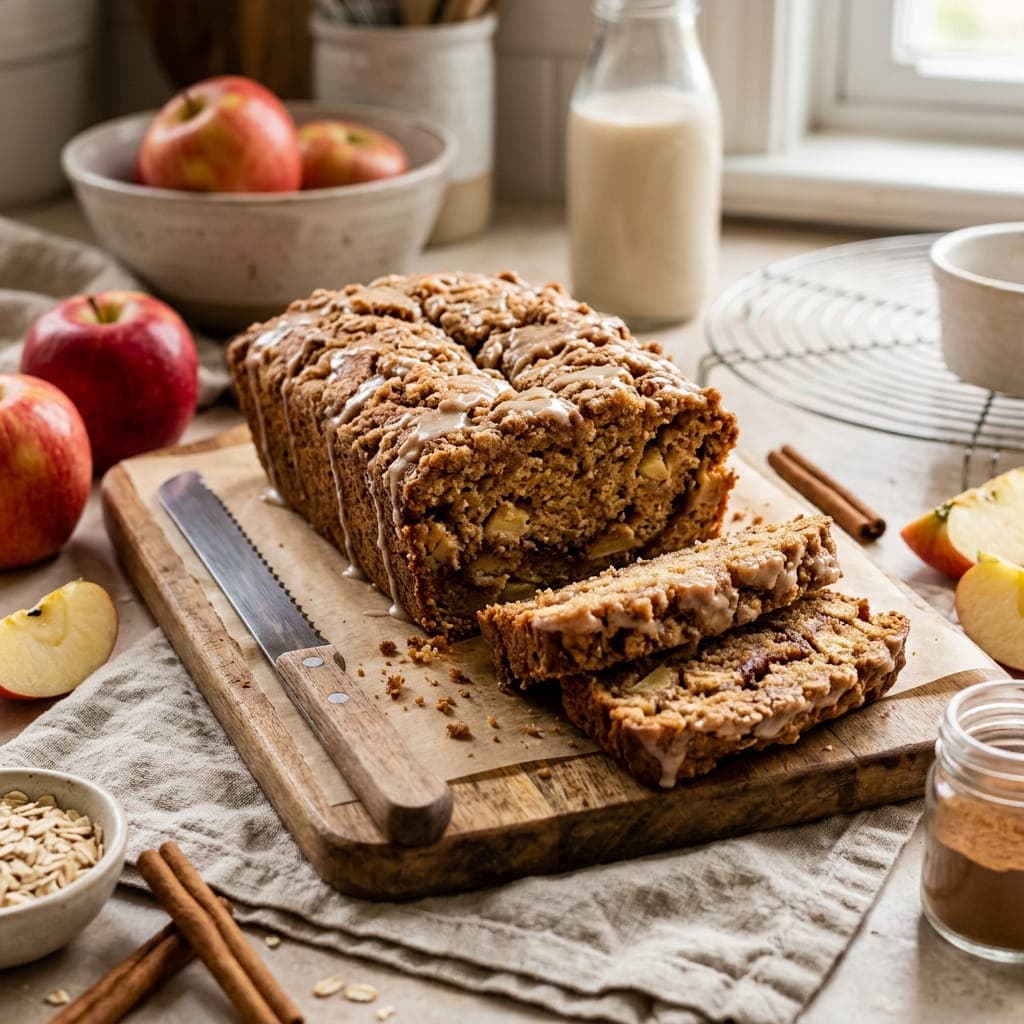
This folds finely diced apple directly into the batter rather than layering it on top, which distributes little pockets of soft, cinnamon spiced fruit through every slice instead of concentrating them in just one part of the loaf. Using a neutral oil in place of butter keeps this loaf entirely dairy free while still baking up moist and tender, since oil stays liquid at room temperature unlike solid butter.
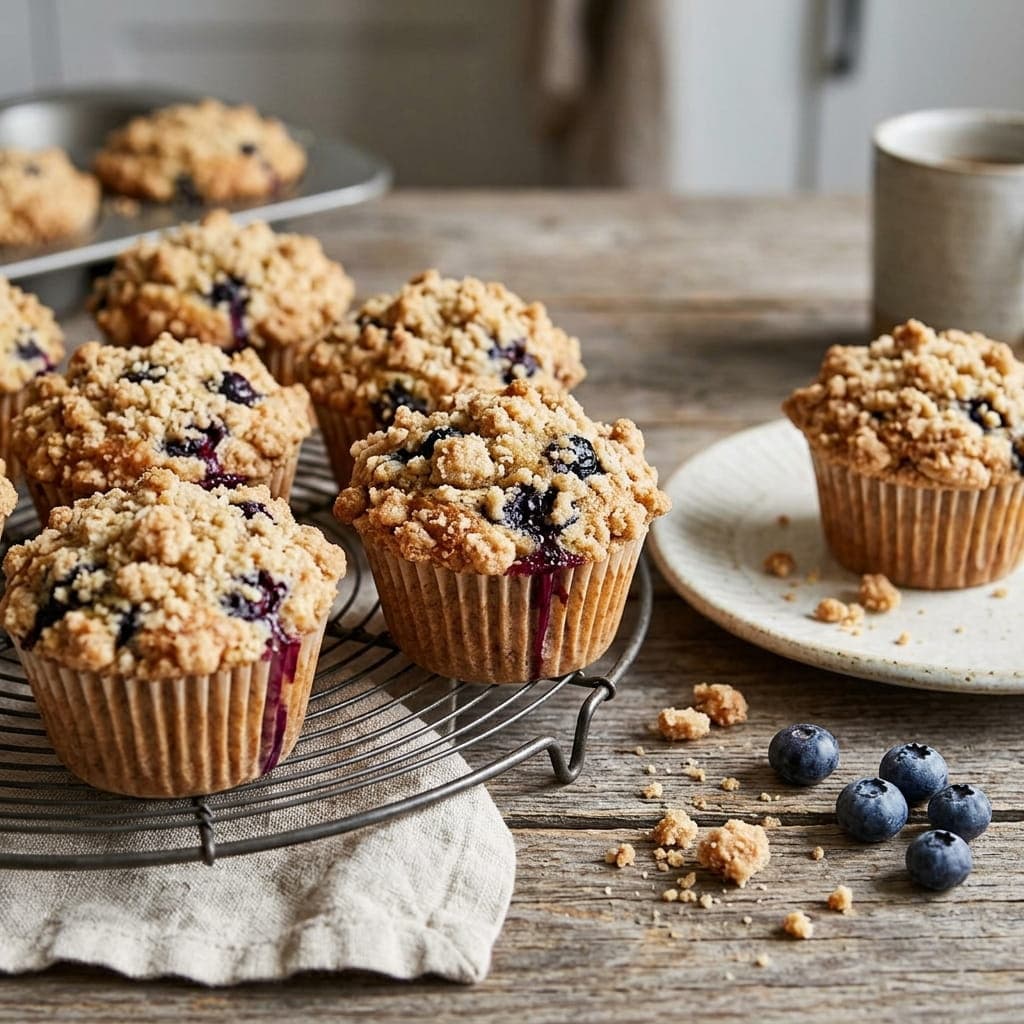
This tosses the fresh blueberries in a spoonful of flour before folding them into the batter, a simple trick that helps suspend them evenly throughout the muffin instead of letting them all sink to the bottom during baking. A buttery streusel topping, rubbed together with fingertips rather than mixed smooth, keeps its crumbly texture and bakes into a golden, slightly crunchy top.